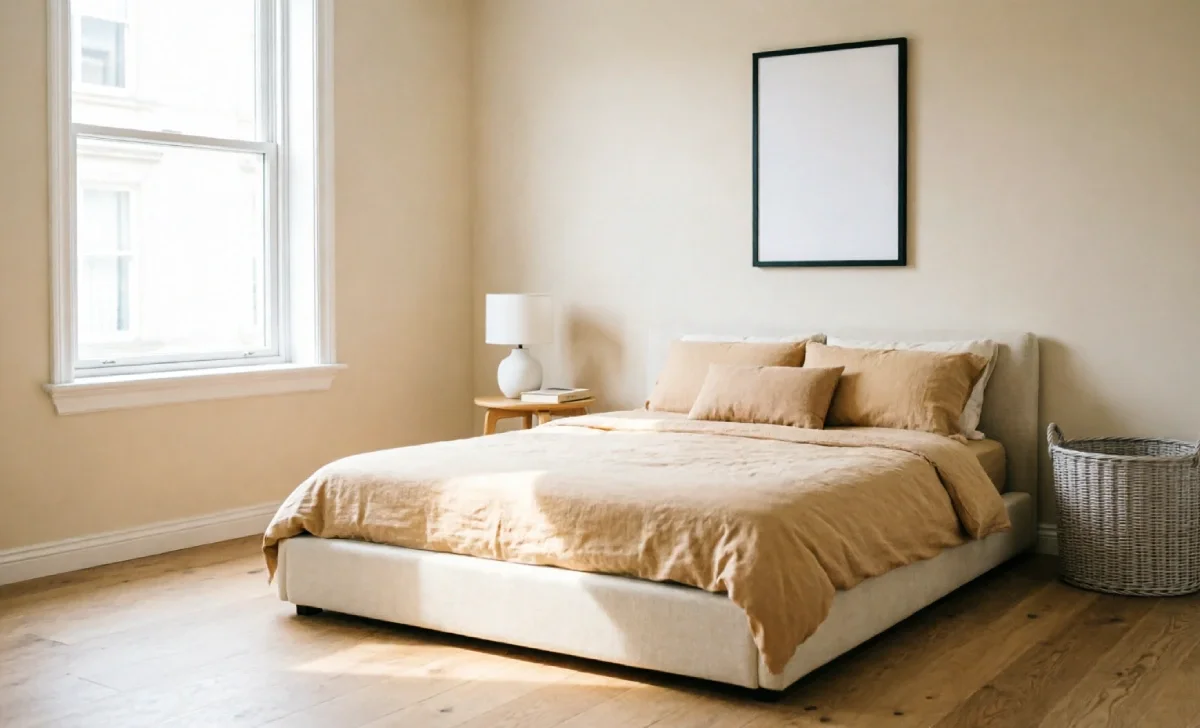
Small bedroom, cramped bathroom, or a tight studio apartment — small space flooring selection is rarely as simple as picking a colour you like. Most homeowners focus on looks first, but the real decision comes down to moisture exposure, foot traffic, budget, and what the room is actually used for. If you're starting from scratch and removing an old floor, carpet removal and floor prep are the step that matters most, because even the best flooring material won't last on an uneven or poorly prepared subfloor.
This guide walks through the best flooring options for small rooms, what they cost, room-by-room recommendations, and the mistakes worth avoiding before you buy.
A Quick Framework for Choosing
Before picking a material, ask four questions. How much moisture will the room see? How much daily traffic does it get? What's the budget? And is the goal to make the room feel bigger or simply more comfortable?
Moisture exposure: Bathrooms and kitchens need water-resistant or waterproof materials, since standard hardwood deteriorates quickly in damp conditions.
Traffic and durability: Entryways and hallways need scratch-resistant, low-maintenance flooring that can handle daily wear.
Budget: Material costs vary widely, and labour typically makes up a large share of the total installed price.
Visual goal: If the aim is to make a small room look larger, light colours and wider planks do most of the work.
Comparing Flooring Materials for Small Spaces
The most common options for small rooms are luxury vinyl plank (LVP), laminate, engineered hardwood, solid hardwood, porcelain or ceramic tile, carpet, and bamboo or cork.
LVP is water-resistant, low-maintenance, and works well in nearly any room. Laminate is budget-friendly but more sensitive to moisture. Engineered hardwood gives the look of real wood with better moisture tolerance than solid hardwood. Solid hardwood is the most classic option but also the most expensive and least forgiving around moisture. If you already have hardwood that's showing signs of water damage, wood flooring water damage repair is often far cheaper than a full replacement. Porcelain and ceramic tile are the strongest choices for bathrooms since they're fully waterproof. Carpet adds comfort but isn't suited to damp areas. Bamboo and cork are sustainable, lightweight options that work well in low-moisture rooms.
Each material also differs in lifespan and maintenance demands. LVP typically lasts 10–20 years and needs little more than regular sweeping and mopping. Laminate has a similar lifespan but scratches more easily and can't handle standing water. Engineered hardwood can last decades if properly maintained, though it can only be refinished a limited number of times compared to solid hardwood, which can be sanded and refinished repeatedly over its 50+ year lifespan. Tile is essentially maintenance-free once installed and holds up well for 20+ years, making it a strong long-term choice despite the higher upfront cost.
Best Flooring by Room
Small bathroom: Waterproof tile or LVP is the safest choice. Larger tiles reduce the number of grout lines, which helps the room feel more open, and a textured finish reduces slip risk.
Small kitchen: The floor needs to resist both spills and scratches. LVP and tile both perform well here, though LVP tends to be more comfortable underfoot and slightly cheaper.
Small bedroom: Comfort is the priority. Carpet or engineered hardwood both work, and lighter tones help the room feel brighter and less cramped.
Entryway or hallway: These areas take the most dirt and moisture, so tile or LVP is the more practical choice than carpet or solid wood.
Small home office or closet: Lower traffic means budget-friendly options like laminate or carpet tile are perfectly reasonable here.
Design Tactics That Make Small Rooms Feel Bigger
Colour has the biggest visual impact. Light tones reflect more light and make a room feel more open, while dark tones only tend to work well when the room already gets strong natural light.
Wider planks or larger tiles create fewer seams, which means less visual clutter and a room that reads as longer and more open. Installation direction matters too — diagonal layouts often make a room feel more spacious than a straight, parallel layout.
Finish sheen is easy to overlook but affects the final look. Matte and satin finishes tend to look more natural, while glossy finishes show wear faster in high-traffic areas. Using the same flooring across adjoining rooms also helps the whole space feel more connected and open.
What Small Space Flooring Costs
For a small room in the 100–150 square foot range, installed costs vary significantly by material. Carpet and laminate are typically the most affordable options, while LVP costs a bit more but offers better durability and water resistance in return. Solid hardwood and porcelain tile tend to sit at the higher end. Labour usually accounts for 40–60% of the total installed cost, and any subfloor repair work should be budgeted separately.
It's worth getting more than one quote before committing, since labour rates can vary significantly between contractors even within the same area. Removing old flooring, levelling an uneven subfloor, or fitting new transition strips between rooms can all add to the final bill, and these extras are easy to overlook when comparing material prices alone. Asking for an itemised quote that separates materials, labour, and prep work makes it much easier to see where the money is actually going and to compare contractors fairly.
Mistakes to Avoid
Choosing dark flooring in a room with limited natural light, using small tiles that add unnecessary grout lines, high-contrast borders, skipping a moisture check in bathrooms or basements, and ignoring subfloor prep are the most common — and most costly — mistakes homeowners make. Another overlooked mistake is mismatching flooring between adjoining rooms, which breaks up the sense of flow and makes both spaces feel smaller than they are. Rushing the installation to save time is also a false economy, since poor fitting often leads to gaps, warping, or premature wear that ends up costing more to fix than it would have to do the first time properly.
DIY vs. Professional Installation
Click-lock LVP and laminate are the most DIY-friendly options for most homeowners. Tile, solid hardwood, and pattern layouts like herringbone are best left to a professional, since small installation errors are difficult to correct afterwards. If you're weighing hardwood against engineered hardwood specifically, hardwood vs engineered wood flooring breaks down the difference in a way that makes the decision easier, especially where moisture and budget both matter.
Frequently Asked Questions
What flooring makes a room look bigger?
Light-coloured, wide-plank or large-format flooring with fewer seams creates the most visual expansion, especially when matched across adjoining rooms.
What's the best flooring for a small bathroom?
Waterproof porcelain tile or LVP, ideally in a larger format to minimise grout lines and reduce slip risk.
What's the cheapest flooring option?
Carpet and laminate are generally the lowest-cost installed options, though LVP offers noticeably better durability for a modest price increase.
Can I install flooring myself?
Click-lock LVP and laminate are relatively easy to install yourself. Tile and pattern-based installations generally require a professional.
Does flooring affect resale value?
Well-maintained flooring, particularly hardwood or high-quality LVP, is generally viewed favourably by buyers. The biggest impact on resale usually comes from replacing worn, dated, or damaged flooring in visible rooms rather than upgrading to a premium material.
Conclusion
There's no single "best" flooring for every small space — the right choice depends on the room's function, its moisture exposure, and your budget. Compare your options against these factors before buying, and don't skip the subfloor prep or moisture check regardless of which material you choose.