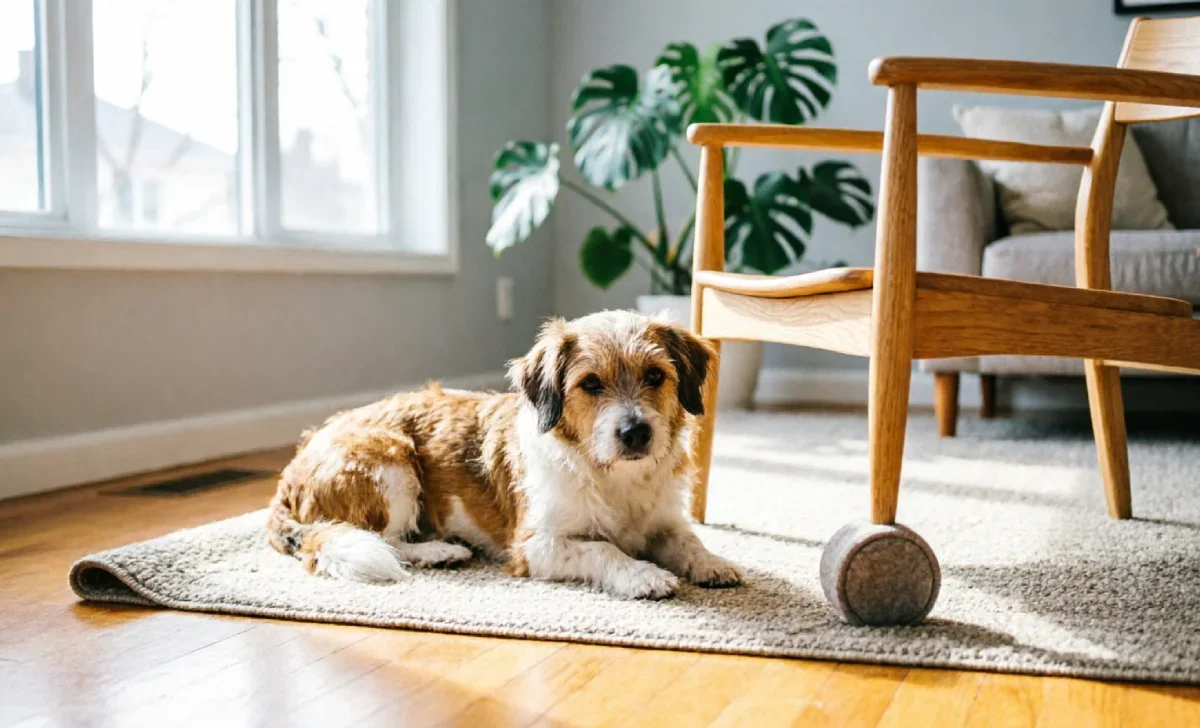
Your hardwood floors are basically the outfit your whole house wears every day. One dragged chair leg, one gravel-covered sneaker, and that clean look is gone. Hardwood floor scratch protection isn't about babying your space — it's about playing smart so your floors stay sharp for years, not months.
Why Hardwood Floors Scratch So Easily
Wood is tougher than it looks, but it's not invincible. Grit, sand, and small rocks act like sandpaper every time shoes or paws drag across the surface. Add in furniture legs, dropped tools, and daily foot traffic, and scratches build up fast, even if you're careful. Most damage isn't dramatic — it's death by a thousand tiny scrapes. That's exactly why small space flooring choices matter so much in tighter homes, where every square foot sees double the wear. Once you understand what's actually attacking your floor, prevention gets a lot easier.
Kitchens and entryways usually take the worst beating in any house. Sand from outdoor shoes, dropped utensils, and rolling chair legs all chip away at the finish over time. Even a dry cloth or paper towel dragged across the floor can leave faint marks if there's grit underneath it. The finish on top of your wood is doing all the heavy lifting here — once it wears through, bare wood scratches even more easily. That's the whole point of staying ahead of it instead of reacting after the damage shows up.
Stop Dirt at the Door
This is the cheapest, easiest fix in the whole game. A sturdy doormat outside and a second one inside trap most of the grit before it ever touches wood. Going shoeless indoors, or keeping a slipper basket by the door, cuts down on scratches dramatically. It sounds almost too simple, but it works.
Look for mats with a coarse, ridged texture on the outdoor side — that's what actually scrapes grit off shoe soles. A softer mat just inside the door catches whatever slips past. If you've got guests or delivery visits often, a visible basket of slip-on shoe covers by the entrance keeps things easy without feeling awkward to ask.
Furniture Pads: Your Floor's Best Friend
Felt pads under chair and table legs are non-negotiable. Every time furniture shifts without them, it drags tiny scratches across the finish. Stick-on felt pads cost pennies and take five minutes to install on your whole living room. For heavier pieces like sofas or dressers, go with wider furniture cups instead of thin felt dots. Check them every few months, since the felt wears down and stops protecting the way it should. This one habit alone handles a huge chunk of hardwood floor scratch protection with almost zero effort.
Rolling office chairs deserve their own mention here. Standard casters chew up wood fast, so swap them for soft rubber or polyurethane wheels rated for hard floors. A clear chair mat under a desk setup adds another layer of backup. It's a small upgrade that saves you from one of the most common home-office floor complaints out there.
Area Rugs and Runners for High-Traffic Zones
Hallways, entryways, and the path from couch to kitchen take the most abuse in any home. A well-placed runner or area rug absorbs that traffic instead of your floor taking the hit directly. Pick rugs with a non-slip pad underneath, since a sliding rug can actually cause its own scuffs. Runners in narrow hallways are basically a cheat code for hardwood floor scratch protection. Rotate them occasionally so wear doesn't concentrate in one strip.
Protecting Wood Floors From Pets
Dogs and cats bring joy and, unfortunately, claws. Regular nail trims are the single biggest thing you can do here. Keep nails short and rounded, not sharp at the tips. Placing rugs along your pet's usual sprint paths saves your floors from those frantic zoomie moments. A quick trim every few weeks beats refinishing a whole room later.
If a full trim feels stressful for your pet, ask a groomer or vet to handle it, or try nail caps as a gentler middle ground. Keeping paws wiped after walks helps too, since damp paws pick up grit that scratches just as easily as dry claws do. Small habits like these add up over months of daily walks around the house.
Cleaning the Right Way (No Scratches Added)
Ironically, bad cleaning habits cause scratches too. Vacuums with hard plastic wheels or stiff brush heads can mark up a finish fast. Stick to a soft-bristled broom, a microfiber mop, or a vacuum with a soft floor attachment instead. Skip anything with rotating brushes rated for carpet only. Wipe spills immediately, since standing liquid weakens the finish and makes wood more scratch-prone over time. A wood-safe cleaner, used sparingly, keeps the surface clear without stripping its protective layer.
Skip steam mops entirely, no matter how tempting the deep clean sounds. Heat and moisture together weaken the wood's protective layer faster than almost anything else. Dust regularly instead of letting debris build up in corners and under furniture, since that's where grit tends to collect and eventually spread. A weekly sweep beats a monthly deep scrub for actual hardwood floor scratch protection.
| Cleaning Tool | Safe for Hardwood? | Why |
|---|---|---|
| Soft-bristled broom | Yes | Won't scuff finish |
| Microfiber mop | Yes | Traps dust without scratching |
| Standard vacuum (hard wheels) | No | Wheels drag grit |
| Vacuum with soft attachment | Yes | Glides without contact damage |
| Steam mop | No | Moisture warps and weakens the finish |
Small Space? Smart Flooring Choices Matter Too
If you're working with a tight apartment or a compact home, every inch gets walked, rolled, and bumped constantly. Choosing the right flooring style from the start makes ongoing hardwood floor scratch protection much simpler down the road. Matte or textured finishes tend to hide light scuffs better than high-gloss ones. Before committing to a layout, it's worth reading up on flooring choices for small spaces so your setup works with your daily traffic, not against it.
When Floors Take On Water Damage
Scratches are one problem, but moisture is a bigger enemy. Spills, pet accidents, or a leaky appliance can warp boards and lift the finish within hours. Dry any wet spot immediately with a towel, don't just let it air-dry. Keeping indoor humidity between 35% and 55% with a hygrometer prevents both cracking and swelling. If damage does happen, don't panic — a lot of it is fixable without a full floor replacement, and wood floor water damage repair options exist for exactly this situation.
Don't Forget the Finish Itself
Everything above helps, but the floor's finish is your real first line of defense. Polyurethane coatings add a tough, sealed layer that resists scuffs far better than bare wood ever could. Some finishes even include UV protection, which stops sunlight from fading and weakening the surface near windows. Reapplying a protective topcoat every few years, before it wears thin, keeps that shield intact. Think of it as sunscreen for your floor — skip it for too long, and the damage underneath adds up quietly.
When to Consider Professional Help
Some damage is beyond DIY fixes. Deep gouges, warped boards, or a finish that's worn through to bare wood usually need a pro. Refinishing brings a floor back to life without a full replacement. If your floor looks dull everywhere, not just in one spot, that's your sign that it's time to call someone.
Get a couple of quotes before booking anyone, since pricing swings a lot between contractors. Ask specifically about sanding depth and finish type, because cheaper jobs sometimes skip steps that affect how long the results actually last. A good refinish should hold up for eight to ten years with normal care afterward.
Keeping It Beautiful for the Long Run
Hardwood floor scratch protection isn't one big project — it's a bunch of small habits stacked together. Mats at the door, felt pads under furniture, rugs in busy zones, trimmed pet nails, and the right cleaning tools all add up. None of it takes real effort once it's part of your routine.
Think of it less like a chore list and more like muscle memory. Once trimming the dog's nails or wiping a spill fast becomes second nature, you stop thinking about it entirely. Your floor's the backdrop to your whole home, so treat it like the investment it actually is. A little consistency now saves a much bigger bill later.
Got a specific trouble spot — pets, high-traffic hallway, or a rental you can't renovate? Drop the details, and I can point you toward the exact fix that fits your space.