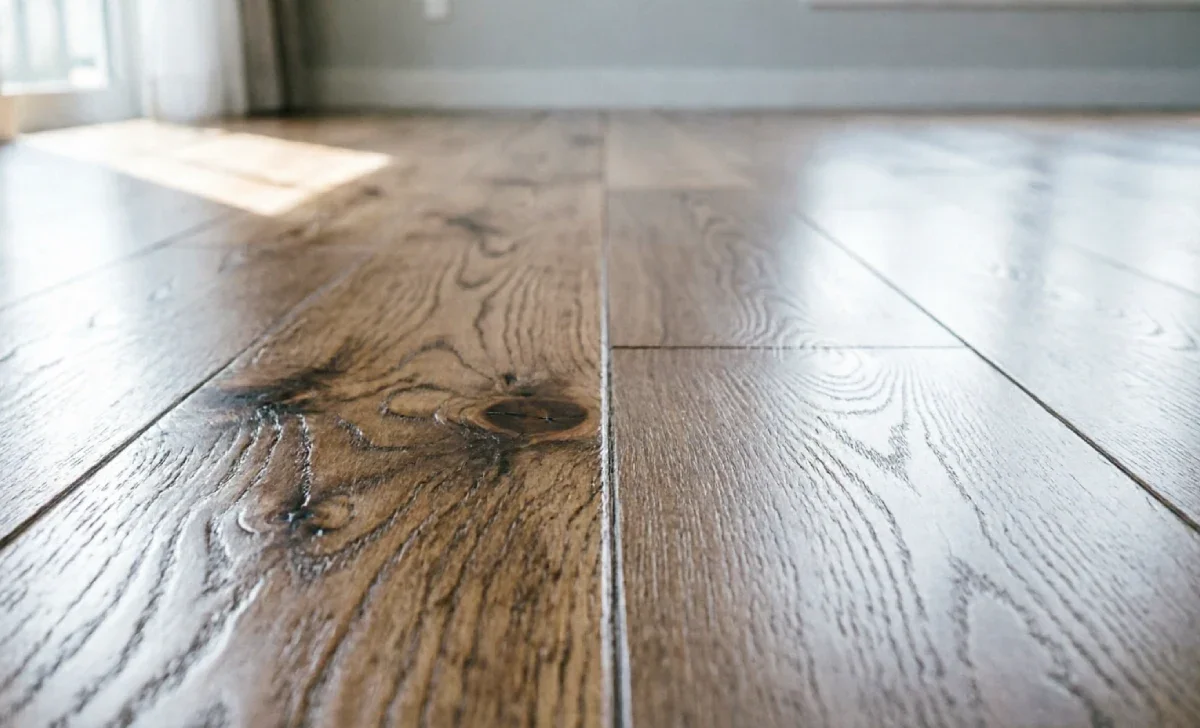
Picking new floors feels like a big decision, and it is. Hardwood versus engineered wood flooring is the debate every homeowner runs into sooner or later. Both look like real wood because they are real wood. The difference sits underneath, in how each one is built. That build changes how your floor handles spills, heat, and years of foot traffic. If a leak ever gets past your floor's defenses, water damage repair steps can save the boards before rot sets in.
This guide breaks the whole thing down. No jargon, no sales pitch. Just what each type does well, where it struggles, and which one fits your house.
What Is Solid Hardwood Flooring?
Solid hardwood is one thick plank of real wood, top to bottom. Oak, maple, and hickory are the usual suspects. It's the classic choice people picture when they think "wood floor."
You can sand it down and refinish it many times over. That's the big appeal. A scratched or dull hardwood floor gets a fresh face without replacing a single board.
What Is Engineered Wood Flooring?
Engineered wood flooring stacks layers instead of using one solid piece. A real wood veneer sits on top of plywood or HDF core layers. This layered build fights warping better than solid wood does.
You still get genuine wood on the surface. The core just gives it more backbone against moisture and temperature swings.
Hardwood Versus Engineered Wood Flooring: Key Differences
The core is where hardwood versus engineered wood flooring really splits apart. Solid wood is one material, top to bottom, reacting to humidity as a single piece. Engineered wood spreads that stress across layers, so it moves less.
Thicker veneers on engineered planks can be refinished a few times. Thinner veneers usually can't. Check the veneer thickness before you buy if refinishing matters to you.
Read deeper specs and pricing breakdown if the numbers behind these two floors matter to your decision.
Durability and Lifespan
Solid hardwood can last generations with proper care. Decades of refinishing keep it looking sharp long after other floors would need replacing. That's a serious long game.
Engineered wood holds up well too, especially against daily wear. Its layered core resists warping better in shifting conditions. Lifespan runs shorter than solid wood, but it still spans decades in most homes.
Moisture and Temperature Resistance
This is where hardwood versus engineered wood flooring makes the clearest split. Solid hardwood struggles in humid rooms, basements, or spaces near radiant heating. Moisture makes it swell, shrink, or cup over time.
Engineered wood handles humidity and temperature shifts with more confidence. The layered core resists movement, making it a smarter pick for basements and kitchens. It also plays nicer with underfloor heating systems.
Installation Methods
Solid hardwood usually gets nailed down to a wooden subfloor. It needs the right conditions and typically demands a professional touch. Concrete subfloors aren't a great match for it.
Engineered wood is more flexible here. Floating, glue-down, and click-lock installation all work well over wood or concrete. That flexibility makes it friendlier for DIY projects and faster renovations.
Maintenance and Refinishing
Both floors need regular sweeping and the occasional damp mop- nothing fancy. Standing water is the real enemy for either one, so wipe up spills fast. Avoid harsh chemical cleaners on both surfaces.
Solid hardwood wins on refinishing. You can sand and restore it many times across its life. Engineered wood offers fewer refinishing rounds, limited by that top veneer's thickness.
Small surface scratches happen to every floor eventually. If you're dealing with scuffs on a laminate surface instead, scratch repair tips can get that surface looking new again.
Cost Comparison
Solid hardwood usually costs more upfront, both for materials and installation. Skilled labor and the wood itself both add to the bill. It's an investment, not a budget pick.
Engineered wood tends to run cheaper, especially with DIY-friendly installation methods. Lower material costs plus lower labor costs add up to real savings. For budget-conscious renovations, it's often the practical winner.
Resale Value
Solid hardwood carries strong resale appeal, especially in older or higher-end homes. Buyers still associate it with quality and timeless style. It's a safe bet if resale is your top priority.
Engineered wood has closed that gap fast. Modern buyers often can't tell the difference by eye, and appraisers know it holds value well. Either choice supports a strong sale price today.
Which One Fits Your Home?
Choosing between hardwood versus engineered wood flooring comes down to where and how you live. Humid climates, basements, and kitchens favor engineered wood's stability. Dry, stable living rooms and bedrooms suit solid hardwood just fine.
Budget matters too. If refinishing for decades sounds appealing, hardwood earns its higher price tag. If flexibility and moisture resistance top your list, engineered wood delivers without the extra cost.
Think about your forever home plans as well. Long-term owners often lean toward hardwood's refinishing lifespan. Renovators moving in a few years might prefer engineered wood's easier install and lower upfront cost.
Final Thoughts
There's no universal winner in the hardwood versus engineered wood flooring debate. Your climate, budget, room type, and how long you're staying all shape the right answer. Match the floor to your actual life, not just the look you want.
Whichever you pick, real wood floors add warmth and value that most other materials can't match. Take your time, check the specs, and choose the one built for your space.