
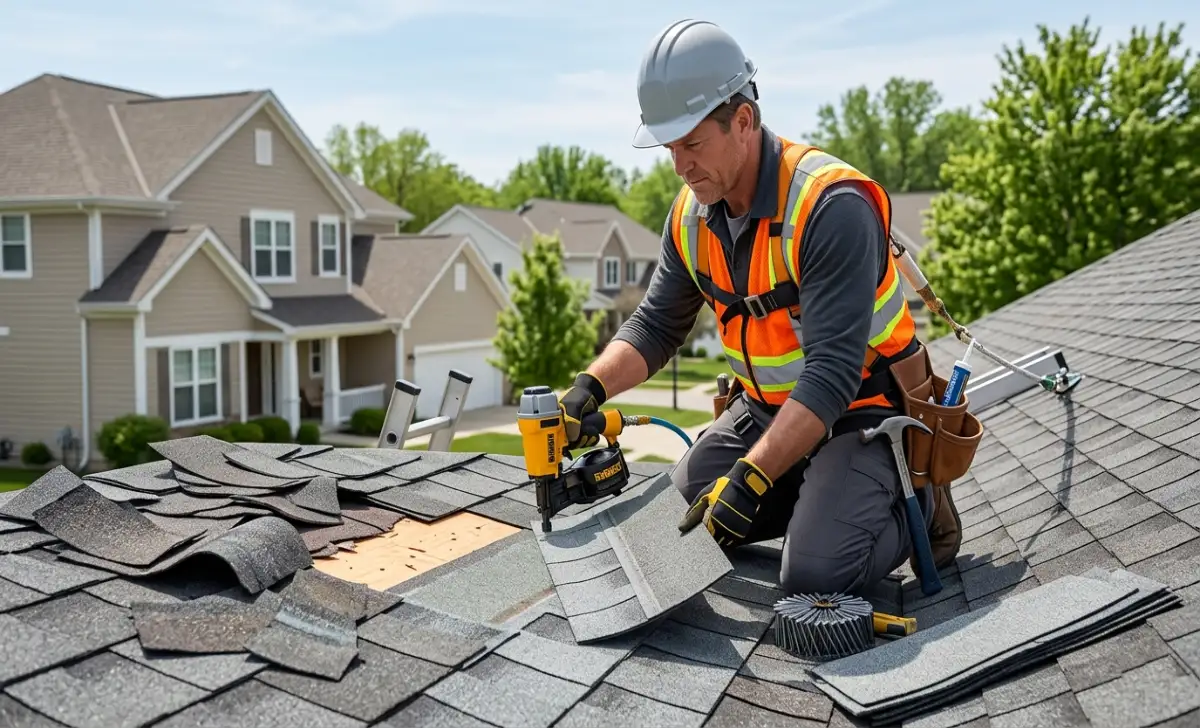
Finding roof repair near you is simple. Hiring the right contractor at the right price is not.
Roof problems rarely show up at a convenient time. A leak appears during a storm. Shingles blow off overnight. And suddenly you’re searching for someone who can fix it fast, without overcharging you.
This guide covers what roof repairs actually cost, how to spot damage before it gets worse, and how to hire a local roofer you can trust.
Roof repair near you typically costs between $150 and $1,500, depending on the type and scale of damage. Common repairs include fixing leaks, replacing damaged shingles, and resealing flashing. To hire a reliable local contractor, verify their license and insurance, collect at least three written estimates, and never pay the full amount upfront.
Signs Your Roof Needs Repair
Most roof damage does not announce itself. It builds slowly until it becomes a serious problem. Catching it early can save you a significant amount of money.
What to Look For from the Ground
Walk around your home and look at the roof from a safe distance. You should not climb onto the roof yourself unless you are trained to do so.
Watch for these signs:
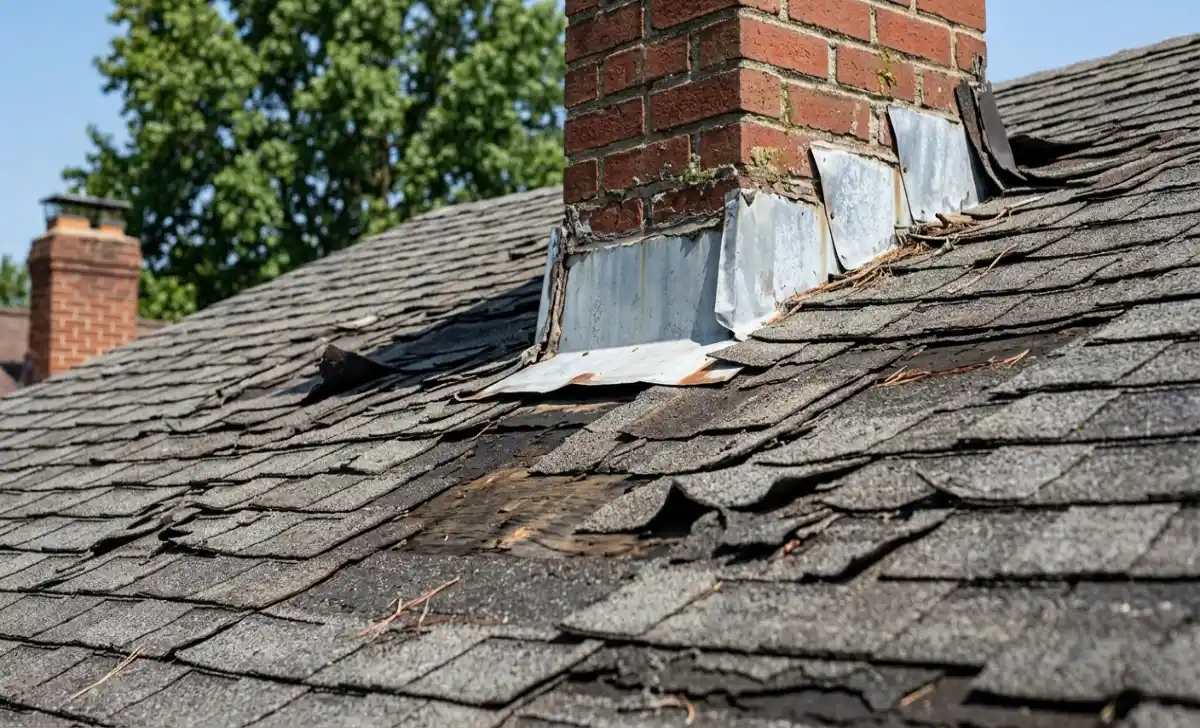
- Missing, cracked, or curling shingles
- Dark patches or discoloration in certain sections
- Sagging areas, especially near the roofline or ridge
- Damaged or separated flashing around chimneys, skylights, or vents
- Granules collecting in gutters (a sign that asphalt shingles are breaking down)
If your roof is older than 15 years, check it after every major storm. Wind, hail, and heavy rain accelerate wear on shingles and flashing. In colder climates, repeated freeze-thaw cycles are one of the most overlooked causes of roof damage. Snow melts during the day, water seeps into small cracks, and overnight freezing forces those gaps wider. If you live in a region with harsh winters, this process can quietly destroy a roof over a single season. This guide to winter roof damage and freeze-thaw cycles explains how the pattern works and what to inspect before cold weather sets in.
Warning Signs Inside Your Home
Sometimes the clearest signals are inside. Check your attic and ceilings after rain.
Look for:
- Water stains on ceilings or walls
- Damp insulation in the attic
- Daylight visible through the roof boards
- A musty smell in the attic (indicating moisture buildup)
Water stains do not always appear directly below the leak. Water travels along rafters and decking before dripping down. If you see a stain, the actual entry point may be several feet away.
Common Types of Roof Repair
Not all roof problems are the same. The type of damage determines both the repair method and the cost.
Shingle repair is one of the most common jobs. If a small section of asphalt shingles is cracked, missing, or curling, a roofer can replace just that section. This is usually the least expensive repair.
Flashing repair involves the metal strips that seal joints around chimneys, vents, and skylights. Flashing lifts or cracks over time, which creates a direct path for water. This repair is often more involved than it looks because the surrounding shingles must be removed and replaced.
Flat roof repair applies to low-slope roofs common on commercial buildings and some residential homes. These roofs use membrane systems (TPO, EPDM, or modified bitumen). A roofer patches tears or reseals seams where the membrane has separated.
Leak and water damage repair often requires finding the source of the leak first, which takes time. Once found, the roofer replaces damaged decking, underlayment, or shingles, and seals the area properly.
Tile and metal roof repair tends to be more specialized. Concrete or clay tiles crack under impact. Metal roofs develop rust spots, loose seams, or damaged fasteners. Both require a contractor with specific experience in those materials. If you have a metal roof, the repair approach depends heavily on the panel system and the local climate. This overview of metal roofing performance and repair considerations covers what to look for and what questions to ask a contractor before work begins.
How Much Does Roof Repair Cost Near You?
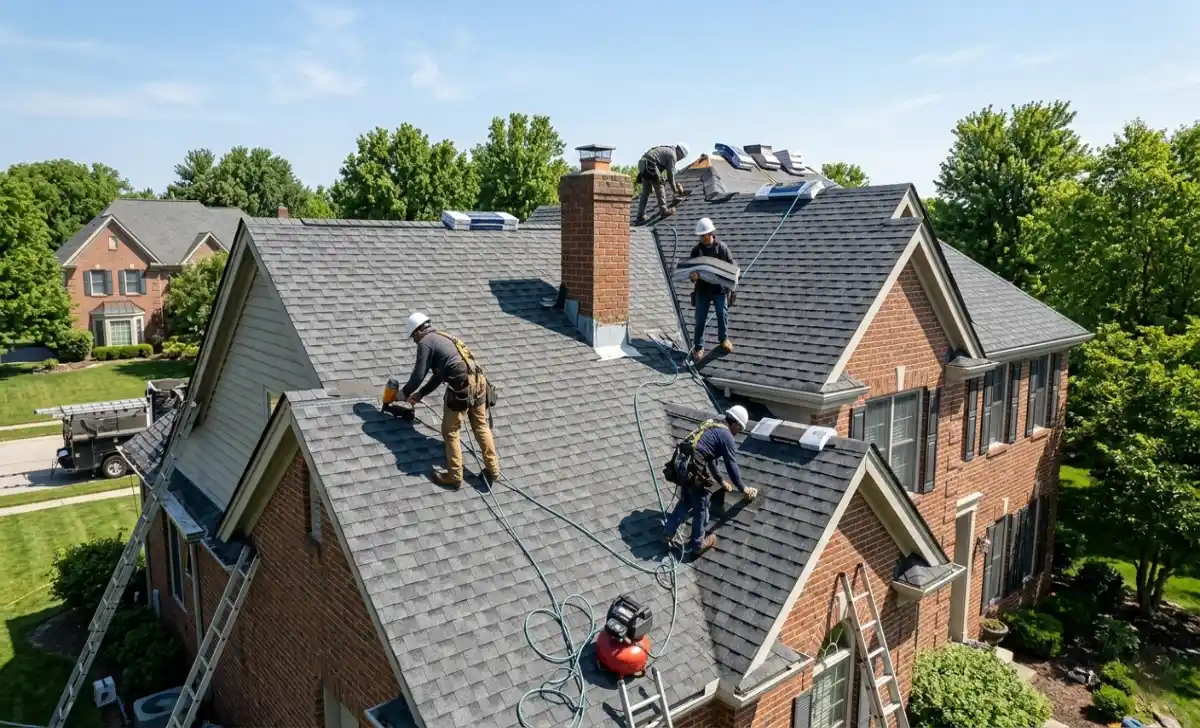
The national average for roof repair falls between $400 and $1,000 for a typical job, according to widely cited roofing industry data. However, actual costs in your area will vary depending on several factors.
Here are general cost ranges by repair type:
| Repair Type | Typical Cost Range |
|---|---|
| Minor shingle replacement (small area) | $150 – $400 |
| Flashing repair or replacement | $200 – $500 |
| Flat roof patch | $300 – $700 |
| Leak diagnosis and repair | $400 – $900 |
| Major section replacement | $800 – $1,500+ |
| Emergency/storm damage repair | $1,000 – $3,000+ |
These are estimates for labor and materials combined. Always get a written quote from a local contractor before assuming what your job will cost.
What Drives the Price Up or Down
Several variables affect what you will pay:
- Roof pitch: Steep roofs take longer and require more safety equipment. Expect a higher labor rate.
- Material type: Tile and metal cost more to repair than asphalt shingles.
- Extent of damage: A small patch costs far less than a job that requires replacing decking beneath the shingles.
- Location: Labor rates differ significantly by city and region.
- Urgency: Emergency repairs, especially after storms, carry a premium.
When Repair Makes Sense Over Replacement
Repair makes sense if the damage is contained to a small area and the rest of the roof is in good condition. A reliable rule used by roofing professionals is this: if more than 25 to 30 percent of the roof surface is damaged, replacement is usually the better long-term investment.
If your roof is within 5 to 10 years of its expected lifespan, ask your contractor to assess whether repairs will hold. Patching an aging roof can delay the inevitable and add to the total cost over time.
How to Find a Roof Repair Contractor Near You
This is where most homeowners make their most costly mistakes. A low quote means nothing if the roofer does poor work, skips a permit, or disappears after taking a deposit.
Steps to Vet a Contractor Before You Hire
1. Verify their license. Most states require roofing contractors to hold a valid license. Look up your state’s licensing board online and search the contractor’s name or business. If they cannot provide a license number, do not hire them.
2. Confirm they carry insurance. Ask for a certificate of insurance showing both general liability and workers’ compensation. If a worker is injured on your property and the contractor lacks workers’ comp, you may be held financially responsible.
3. Check their local presence. A contractor with a physical address in your area is easier to reach if problems come up after the job. Search their name, check Google reviews, and look at their Better Business Bureau (BBB) profile.
4. Get at least three written estimates. A written estimate should include the scope of work, materials specified by type and brand, estimated timeline, and total cost. Do not accept verbal quotes.
5. Confirm permit requirements. Some roof repairs require a permit from your local building department. A reputable contractor will know this and pull the permit themselves. If a contractor tells you permits are unnecessary for a job that legally requires one, that is a warning sign.
Questions to Ask Before Signing Anything
Ask every contractor the same questions so you can compare answers fairly:
- Are you licensed and insured in this state?
- Will you pull any required permits?
- What materials will you use, and what is the brand?
- How long will the job take?
- What warranty do you offer on your labor?
- What does the manufacturer warranty cover on the materials?
- What percentage of the payment is required upfront?
A trustworthy contractor will answer all of these without hesitation. Vague or evasive answers should concern you.
Red Flags That Should Make You Walk Away
Storm-chasing contractors are a well-documented problem in the roofing industry. They appear in neighborhoods after major storms, offer quick and often low estimates, take a large deposit, and deliver poor work or disappear entirely.
Watch for these warning signs:
- They knock on your door unsolicited after a storm
- They demand cash payment or a large deposit upfront (more than 10 to 20 percent is unusual)
- They pressure you to decide immediately
- They have no local address or verifiable license
- They offer to “waive your deductible” if you file an insurance claim (this is often insurance fraud)
- The written contract is vague or missing entirely
A reputable roofer will give you time to review the estimate and compare it with others.
What to Do Before the Roofer Arrives
If you have active water coming in, do not wait for the roofer to act. There are steps you can take to reduce damage.
Move valuables and furniture away from the leak area. Place buckets or towels to collect dripping water.
Take photos of everything before you touch anything. Document the water stain, the area where water is entering, and any visible exterior damage. These photos may be needed for an insurance claim.
Cover exposed areas from the outside if it is safe. A heavy-duty tarp secured over the damaged area can slow water entry. Use sandbags or bricks to hold it in place. Do this only if you can safely access the area from a ladder without going onto the roof itself.
Call your insurance company if the damage was caused by a storm or sudden event. They may want to send an adjuster before repairs begin.
Does Homeowners Insurance Cover Roof Repair?
Whether your insurance covers roof repair depends on the cause of the damage and your specific policy.
What Is Typically Covered
Most standard homeowners insurance policies cover sudden, accidental damage. This includes:
- Damage from storms, high winds, and hail
- Falling trees or debris
- Fire damage
What they generally do not cover:
- Damage from normal wear and tear or aging
- Neglect or lack of maintenance
- Pre-existing damage
Some older policies have moved to actual cash value (ACV) for roof claims, which factors in depreciation. A 15-year-old roof on an ACV policy may pay out far less than what repairs actually cost. Review your policy terms carefully.
How to Document Damage for Your Claim
Documentation is critical. Adjusters rely heavily on photos and written records.
Follow these steps:
- Take date-stamped photos of all exterior and interior damage before any repairs start
- Keep receipts for any emergency expenses (tarps, labor for temporary fixes)
- Write down the sequence of events: when the storm hit, when you noticed damage, who you contacted
- Get a written inspection report from your roofing contractor
- Request a copy of the adjuster’s report and compare it to your contractor’s estimate
If you believe the adjuster’s offer is too low, you have the right to dispute it or hire a licensed public adjuster to negotiate on your behalf. The full claims process has several steps most homeowners miss, including how to handle depreciation holdbacks and supplement requests. This step-by-step guide to filing a roof insurance claim walks through each stage in detail.
FAQs
How much does roof repair near me typically cost?
Most roof repairs cost between $150 and $1,500, depending on the type and scope of damage. Minor shingle replacements fall at the lower end. Emergency repairs or large sections of damage cost significantly more. Always get at least three written estimates from licensed local contractors to understand pricing in your area.
Can I repair my roof instead of replacing it?
Yes, in most cases where damage is limited to a specific area and the rest of the roof is in sound condition. If the damage covers more than 25 to 30 percent of the roof surface, or if the roof is near the end of its expected lifespan, replacement usually makes more financial sense. A licensed contractor can assess which option is right for your situation.
How long does a roof repair take?
Most minor to moderate repairs take one to two days. Larger jobs involving structural damage, significant decking replacement, or full section repairs can take three to five days. Weather delays are common. Ask your contractor for a realistic timeline before work begins.