
Your roof is one of the hardest-working parts of your home. It takes a beating every single day — rain, wind, hail, UV rays, and everything in between. But here’s the problem: most homeowners don’t think about their roof until water is dripping through the ceiling.
By then, you’re not just dealing with a roofing bill. You’re dealing with damaged insulation, ruined drywall, and possibly mould.
The good news? Your roof almost always gives you warning signs before it completely gives out. Knowing when your roof needs replacing can save you thousands of dollars and a whole lot of stress.
In this guide, you’ll learn the 10 most reliable warning signs that your roof is nearing the end of its life — and what to do about each one.
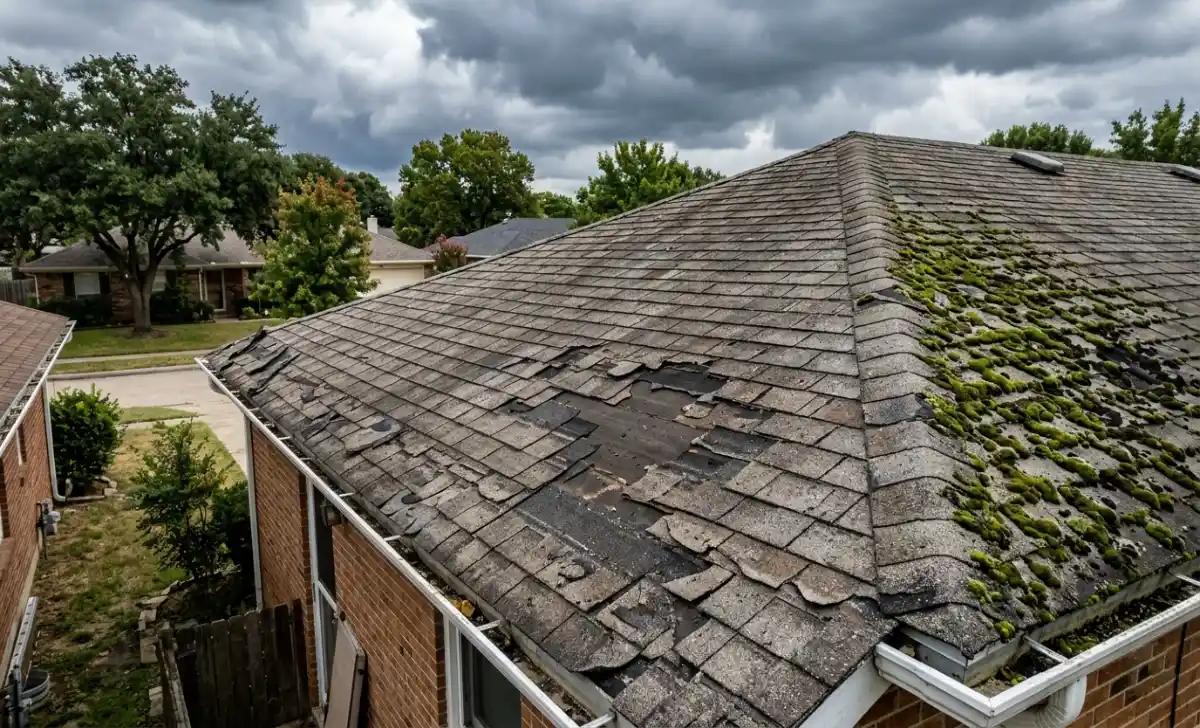
1. Your Roof Is Past Its Expected Lifespan
Before you even look at a single shingle, check how old your roof is. This one piece of information changes everything.
Most asphalt shingle roofs last between 20 and 25 years. Some premium products push that to 30. But once you’re past those numbers, you’re living on borrowed time — even if the roof looks fine from the street.
If your home was re-roofed before you bought it, check the home inspection report or ask your local permits office for records. A roof installed over existing shingles (a common shortcut) tends to wear out even faster because heat gets trapped between the layers.
What to do: If your roof is 20+ years old, schedule a professional inspection — even if there are no obvious problems yet. You’ll want to plan financially rather than face an emergency replacement mid-winter.
- Asphalt shingles: 20–25 years
- Architectural shingles: 25–30 years
- Metal roofing: 40–70 years
- Tile/slate: 50+ years
2. Shingles Are Curling or Buckling
Take a pair of binoculars and stand at the edge of your property. Look at the slopes of your roof carefully. Do any shingles look like they’re curling up at the edges, or forming a cup shape in the middle? That’s called cupping or clawing — and it’s a serious red flag.
Curling shingles happen when the material dries out, loses its flexibility, and starts to separate from the roof deck. This creates gaps where water can easily sneak underneath. Once water gets under a shingle, the damage spreads quickly.
Buckling — where shingles form wavy ridges — often points to poor ventilation in the attic or improper installation. Either way, both issues mean the shingles are no longer doing their job.
What to do: If more than 20–25% of your shingles are curling or buckling, roof replacement is almost certainly the right call. Patching individual shingles at this stage is like putting bandages on a broken arm.
3. You’re Finding Granules in the Gutters
Asphalt shingles are coated in tiny mineral granules that protect the base material from UV damage. When those granules start washing away, the shingles underneath begin to break down fast.
Check your gutters after a rainstorm. If you’re scooping out what looks like coarse black sand or gravel, that’s granule loss — and it’s telling you something important about the health of your roof.
A small amount of granule loss is normal for a brand-new roof as it settles. But on an older roof, heavy granule loss means the surface protection is gone, and the underlying asphalt is baking in direct sunlight. Once that happens, cracking and brittleness follow quickly.
You can also look for bare or discoloured patches on the shingles themselves — areas that look lighter or more faded than the rest are spots where granules have already worn away.
What to do: Granule loss isn’t patchable. Once your shingles have lost significant coverage, you’re looking at full replacement to keep your home properly protected.
4. Missing or Damaged Shingles
This one seems obvious, but many homeowners underestimate how quickly a few missing shingles can spiral into a bigger problem. Wind storms, falling branches, and even foot traffic can knock shingles loose or crack them outright.
A missing shingle exposes the roof decking directly to rain, frost, and UV rays. And even a small crack in a shingle can let water wick underneath during a heavy downpour.
The real concern is when missing shingles are scattered across multiple areas of the roof. If it were one isolated spot, a repair might make sense. But widespread damage usually means the whole roof has become brittle and vulnerable, and more shingles are likely to go in the next storm.
What to do: Match the age and condition of the damaged area against the rest of the roof. If surrounding shingles are also old, worn, or showing any of the other signs in this list, a full replacement will save more money long term than repeated repairs.
5. Daylight Is Visible Through the Roof Boards
Head up to your attic on a sunny day and turn off the lights. Let your eyes adjust for a minute. Do you see any pinpoints of light coming through the boards above you?
If you can see outside light, so can rainwater, cold air, and pests. Even tiny gaps in the roof boards — the structural deck beneath your shingles — are a problem. Water takes the path of least resistance, and those gaps become entry points.
While you’re up there, also look for water stains or dark streaks on the wood. Even if there’s no active leak, old staining tells you water has gotten through before. And if the wood feels soft or spongy when you press on it, that’s rot — and it means the structural integrity of your roof deck is already compromised.
What to do: Staining alone may be manageable. But if you’re seeing light or soft decking, call a roofing contractor right away. A compromised roof deck needs to be addressed before it becomes a structural issue.
6. Your Attic Has Moisture or Leaks
Most roof leaks don’t show up on your bedroom ceiling first. They start in the attic, quietly soaking insulation, fostering mold, and rotting wood for months before anyone notices.
Get into the habit of checking your attic a couple of times a year — especially after heavy rain or winter storms. Signs to watch for:
- Water stains or streaks on the rafters
- Damp or matted insulation
- A musty smell (early sign of mould)
- Frost buildup in winter (signals poor ventilation)
- Visible daylight (as covered above)
Mould in the attic is particularly serious. It can spread to other parts of the home and create health issues. If you find mold alongside roof damage, the cost of remediation adds to the total replacement bill — which is exactly why catching leaks early matters so much.
What to do: Even a slow attic leak warrants a professional roof inspection immediately. Don’t wait to see if it gets worse.
7. Sagging Roof Deck
Stand back and look at the roofline of your home. It should be straight and even — a clean, flat line from one end to the other. Any areas that dip, droop, or look uneven are telling you that the structural layer underneath has failed.
A sagging roof deck is usually caused by long-term moisture damage. When water sits on or inside the decking for extended periods, the wood softens and begins to sink under the weight of the roofing materials above it. This is not a cosmetic issue.
A sagging roofline is a safety concern. In severe cases, sections of the roof can collapse — especially under the added weight of snow.
What to do: If you notice a sag, don’t delay. This requires immediate professional assessment. Depending on how far the damage has spread, you may need both roof replacement and structural repairs to the decking and possibly the rafters beneath.
8. Moss, Algae, or Mould Growth
A roof covered in green, black, or blue-green streaks might look like a minor cosmetic issue. It isn’t. Moss, algae, and mould all hold moisture against the shingle surface, breaking down the material faster and working their way into the gaps between shingles.
Moss is especially destructive because it has root-like structures that physically lift shingles at the edges, creating gaps for water to enter. Black streaks are typically a type of algae called Gloeocapsa magma — it feeds on the limestone filler in asphalt shingles, weakening them over time.
A roof with heavy biological growth in a humid climate may deteriorate years faster than one that’s kept clean and maintained.
What to do: A roof cleaning service can address early-stage growth. But if the moss or algae has been there for years and the shingles underneath are already deteriorating, cleaning alone won’t reverse the damage. At that point, replacement is the better investment.
9. Flashing Is Cracked or Damaged
Flashing is the metal material installed around your chimney, skylights, vents, and any other roof penetrations. Its job is to seal those transition points and stop water from working its way in at the edges.
Old or poorly installed flashing cracks, separates, and corrodes over time. When it does, those transition points become the most likely spots for leaks — even if the shingles themselves are still in reasonable shape.
In older homes, you might find that roofing cement was used in place of proper metal flashing. That cement dries out, cracks, and fails significantly faster than metal.
What to do: Flashing issues can sometimes be repaired without replacing the entire roof. But if the flashing damage is widespread, or if it’s accompanied by other signs of roof wear, it often makes more financial sense to replace the whole roof and install new flashing at the same time.
10. Your Energy Bills Have Spiked
This one surprises a lot of people. Your roof plays a big role in how well your home holds temperature. When shingles are worn, cracked, or improperly ventilated, heat escapes in winter and floods in during summer — forcing your heating and cooling systems to work much harder.
If you’ve noticed your energy bills creeping up over the past year or two and you can’t explain it with other factors (new appliances, rate increases), your roof is worth investigating.
Poor attic ventilation, damaged insulation from roof leaks, and gaps in the roofing material all contribute to thermal loss. A new roof with proper underlayment and ventilation can meaningfully improve your home’s energy efficiency.
What to do: Compare your utility bills year-over-year. If costs have gone up without a clear reason, add this to your list of reasons to have a professional inspect your roof.
Expert Tips
- Get two or three quotes before committing to a roofing contractor. Prices vary widely, and so does quality.
- Check contractor credentials. Look for licensed, insured contractors with verifiable local reviews. Ask to see their certificate of insurance before work begins.
- Don’t skip the underlayment. When replacing a roof, the felt or synthetic underlayment beneath the shingles matters just as much as the shingles themselves. Make sure your contractor isn’t cutting corners here.
- Consider roof ventilation at the same time. Poor ventilation is one of the leading causes of premature roof failure. A good contractor will assess and improve ventilation as part of the replacement.
- Timing matters. Late spring and early fall are typically the best seasons for roofing work — temperatures are moderate and weather is more predictable. Avoid booking during peak summer heat or mid-winter.
Common Mistakes to Avoid
Waiting too long to act. Small roof problems don’t stay small. A $300 repair ignored for a year can easily become a $12,000 replacement plus water damage remediation.
Layering new shingles over old ones. It’s cheaper upfront, but it traps heat, adds weight, and hides existing problems. It also voids most shingle warranties.
Hiring the cheapest contractor. Roofing is not the place to save money by choosing whoever gave you the lowest number. Poor installation causes problems within years, not decades.
Ignoring the attic. Most homeowners never look up there. But the attic is where early signs of roof failure are easiest to spot.
Assuming a leak means just the shingles. Leaks can come from damaged flashing, clogged gutters, or ice dams just as easily as from shingle failure. A thorough inspection looks at the whole system.
Conclusion
Your roof needs replacing far more often than most homeowners realise — and the warning signs are almost always there if you know what to look for. Age, curling shingles, granule loss, moisture in the attic, sagging areas, and rising energy bills all point toward the same conclusion: your roof’s best days are behind it.
The worst thing you can do is wait for a ceiling stain to appear before taking action. By that point, you’re dealing with secondary damage on top of the original problem.
If you’ve spotted two or more of the signs in this list, schedule a professional roof inspection this week. A qualified inspector can tell you exactly where things stand — and whether you’re looking at a repair or a full replacement. Either way, knowing sooner gives you time to plan, budget, and choose a contractor on your terms rather than in a panic.
Your roof protects everything inside your home. Give it the attention it deserves.
FAQs
How do I know if my roof needs replacing or just a repair?
Generally, if damage covers more than 30% of the roof surface, or if the roof is over 20 years old, replacement is usually more cost-effective than repeated repairs. A professional inspection gives you a clear answer.
How long does a roof replacement take?
Most residential roof replacements are completed in one to three days, depending on the size and complexity of the roof. The weather can cause delays.
What is the average cost of roof replacement?
In the US, the average cost ranges from $8,000 to $20,000 for an asphalt shingle roof, depending on size, pitch, materials, and location. Metal and tile roofs cost significantly more.
Can I replace my roof myself?
It’s technically possible, but not recommended. Roofing is physically demanding and requires specific knowledge of flashing, ventilation, and waterproofing. Incorrect installation voids warranties and can cause serious damage. Most local codes also require licensed contractors for roofing work.
Does homeowner’s insurance cover roof replacement?
It depends on the cause. Storm damage, hail, and wind damage are typically covered. Age-related wear and neglect are usually not. Review your policy and talk to your insurer before filing a claim.