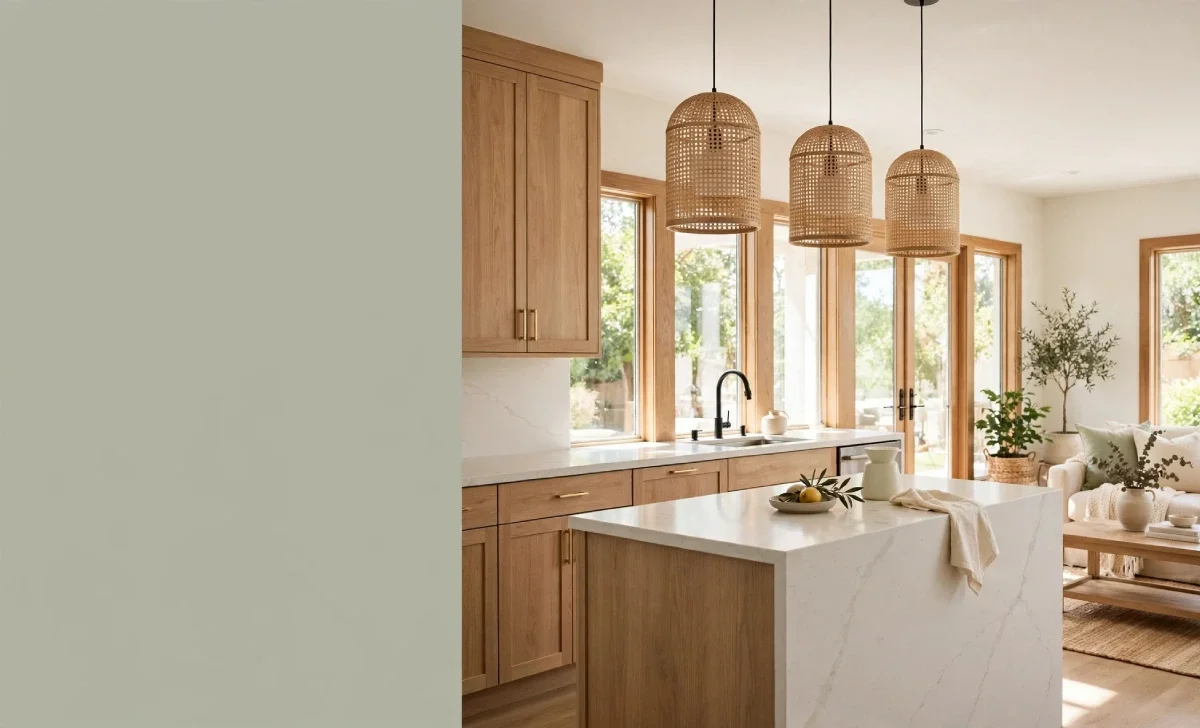
15 Best Home Remodeling Ideas to Transform Your House
What if your home could work harder for you without a full teardown? Small, smart upgrades often deliver more comfort than a total overhaul. In 2026, homeowners want spaces that feel calm, functional, and easy to maintain.
This guide walks you through 15 home remodeling ideas worth your time and budget. You will learn which upgrades boost daily comfort, which ones raise your home's value, and how to avoid common remodeling mistakes.
1. Upgrade the Kitchen for Better Functionality
Your kitchen sees more daily use than almost any other room. A better layout improves your workflow and cuts down on wasted steps. Add an island for extra prep space and storage.
Warm wood cabinets and earthy color palettes are replacing stark white kitchens this year. Quartz countertops give you a durable, easy-to-clean surface. Appliance garages and hidden storage keep counters clear without sacrificing convenience.
2. Create a Spa-Like Bathroom
Walk-in and curbless showers make your bathroom feel open and modern. Large-format tile cuts down on grout lines, which means less scrubbing for you. A new vanity with better storage keeps clutter off the counter.
Good lighting and ventilation matter more than most homeowners realize. Better airflow prevents mold and keeps mirrors fog-free. These upgrades also make your bathroom easier to use as you age.
3. Build a More Useful Outdoor Living Space
A patio, deck, or covered outdoor area extends your living space beyond four walls. Comfortable seating and a dining zone turn your yard into a spot you actually use. Add lighting so you can enjoy evenings outside.
Shade structures and pergolas protect you from harsh sun. Low-maintenance landscaping keeps upkeep manageable. In 2026, most renovated outdoor spaces include lounge or seating areas built for daily comfort rather than resale value alone.
4. Improve Your Home's Curb Appeal
A new front door changes the first impression your home makes. Replacing an old garage door has a similar effect. Modern siding and updated windows freshen up the exterior without a full renovation.
Exterior lighting adds both safety and style. Simple landscaping around your entryway makes the whole front of your home feel finished. Architectural details like exposed beams add character without a big price tag.
5. Finish the Basement
An unfinished basement is wasted square footage. Converting it into usable space gives you options: a home office, a guest suite, a home theater, or a fitness room. Some homeowners turn it into a game room for family time.
Before you start, address moisture control and insulation. A dry, well-insulated basement stays comfortable year-round. Good lighting makes the space feel less like a basement and more like a real room.
6. Add or Expand a Home Office
Remote and hybrid work are here to stay, and your home office should reflect that. Built-in desks and shelving keep your workspace organized. Natural light helps you stay focused during the day.
Sound matters too. A few acoustic panels or a solid door cut down on noise from the rest of the house. Design your office so it can double as a guest room when needed.
7. Create a Multipurpose Room
Not every room needs a single job. A guest room can double as an office. A hobby space can flex into a playroom when your needs change.
Flexible furniture makes this work. Murphy beds free up floor space during the day. Smart storage keeps supplies out of sight until you need them.
8. Upgrade Flooring for Durability and Easy Cleaning
Hardwood flooring adds warmth and lasts for decades with proper care. Luxury vinyl plank holds up well against water and heavy foot traffic. Tile works best in kitchens and bathrooms where spills happen often.
Think about your lifestyle before you choose. Homes with pets and kids need flooring that resists scratches and stains. Laminate offers a budget-friendly option that still looks polished.
9. Add Smart Storage Throughout the Home
Clutter builds up fast without the right storage. Built-in cabinets use wall space that would otherwise sit empty. A walk-in pantry keeps your kitchen organized and functional.
Look for overlooked spots, like the space under your stairs. Floor-to-ceiling cabinets in bedrooms and hallways add storage without eating into your living space. Better storage design often solves clutter problems faster than a purge does.
10. Make the Home Easier to Clean
Non-porous countertops resist stains and bacteria better than porous stone. Slab cabinet doors have fewer grooves for dust to collect in. Large-format bathroom surfaces mean fewer grout lines to scrub.
Stain-resistant upholstery holds up against spills and pet hair. Stainless-steel and fingerprint-resistant appliances stay looking clean with less effort. A robotic vacuum handles daily upkeep so you do not have to.
11. Design for Aging in Place
Wider walkways make navigation easier for everyone, not just older residents. Curbless showers remove a common fall hazard. Grab bars near the shower and toilet add safety without looking clinical.
Keep frequently used items within easy reach. Better lighting throughout the home reduces the risk of trips and falls. Single-level living, where practical, supports long-term comfort for multigenerational households.
12. Bring Wellness Into Your Home
A dedicated home gym removes the excuse to skip a workout. A quiet room for yoga or meditation gives you a place to decompress. Spa-style bathroom touches carry that same calm feeling into your daily routine.
Natural light and biophilic design, meaning plants and natural materials, support your mood and focus. Search interest in wellness rooms and home gyms has grown noticeably in recent Houzz trend reports. Calm colors round out the effect.
13. Use Warm, Natural Interior Design
Cold, sterile interiors are losing ground to warmer palettes this year. Sage, olive, and muted blue tones feel grounded without being dark. Warm wood tones add texture and depth to any room.
Natural stone, linen, and rattan bring tactile variety into your space. Curved architectural details soften sharp corners and hard lines. This shift toward softer, natural design shows up across 2026 trend reports.
14. Improve Energy Efficiency
Energy-efficient windows cut heating and cooling costs while improving comfort. Better insulation keeps your home's temperature stable through every season. An efficient HVAC system uses less energy to do the same job.
LED lighting lasts longer and uses less power than older bulbs. Smart thermostats learn your schedule and adjust automatically. Solar panels remain a strong option if your budget and roof allow for it.
15. Create a Fully Equipped Outdoor Kitchen
A built-in grill turns your backyard into a real cooking space. An outdoor refrigerator keeps drinks and ingredients close at hand. A sink with plumbing means fewer trips back inside.
Storage cabinets keep tools and supplies organized outdoors. Partial or full shade makes the space usable even on hot days. Outdoor kitchens in 2026 increasingly include full plumbing, electrical systems, and entertainment features like a mounted TV.
How to Choose the Right Home Remodeling Project
Start with the problem that bothers you most every day. A cramped kitchen or a cluttered bathroom often points to your next project. Set a realistic budget before you commit to any plans.
Prioritize projects that hold up over time rather than chasing short-term trends. Think about maintenance requirements and energy efficiency as you compare options. Consider your future needs too, since accessibility matters more as circumstances change.
Home Remodeling Ideas That Add the Most Value
Kitchen and bathroom upgrades consistently rank among the highest-value projects homeowners take on. Exterior improvements and outdoor living spaces also pay off in daily enjoyment and long-term appeal. Basement finishing and added living space give you more usable square footage.
Energy-efficient upgrades lower your utility bills while making your home more comfortable. Return on investment varies by market and project scope, so check current Cost vs. Value data for your area before you budget. What holds true everywhere is that thoughtful, well-built upgrades tend to age well.
Home Remodeling Mistakes to Avoid
Skipping a contingency fund is one of the most common remodeling mistakes. Costs almost always run higher than the first estimate. Chasing trends without considering your own needs can leave you with a home that feels dated fast.
Cheap materials might save money upfront, but they cost more in repairs later. Ignoring storage during the planning phase leads to clutter down the road. Skipping professional help on structural or electrical work puts your safety and your investment at risk.
Final Thoughts on Home Remodeling Ideas
Remodeling works best when it balances comfort, function, and durability, not just looks. In 2026, personalized and wellness-focused spaces are shaping how people renovate. Choose projects that fit your budget now and your plans for the years ahead.
Frequently Asked Questions
What are the most popular home remodeling ideas in 2026?
Kitchen upgrades, spa-like bathrooms, and outdoor living spaces top the list this year. Wellness rooms and warm, natural interior design are also gaining ground among homeowners.
Which home remodeling projects add the most value?
Kitchen and bathroom remodels typically offer the strongest returns, followed by exterior improvements and outdoor living upgrades. Actual value depends on your local market, so check current Cost vs. Value data before you decide.
How do I plan a home remodeling budget?
Start by identifying your biggest functional problem, then set a realistic budget with a contingency fund of at least 10 to 15 percent. Prioritize projects that offer long-term value over short-term trends.
Should I DIY my home remodel or hire a professional?
Simple cosmetic updates, like painting or new hardware, work well as DIY projects. Structural, electrical, and plumbing work should go to a licensed professional to protect your safety and your investment.
What home remodeling ideas work best for aging in place?
Curbless showers, grab bars, wider walkways, and better lighting are among the most effective upgrades. These changes support long-term accessibility without making your home feel clinical.