
Your gutters do a quiet but critical job. Every rainstorm, they collect hundreds of gallons of water and direct it safely away from your home’s foundation, siding, and landscaping. But when gutters get old, clogged, or damaged, that water has nowhere safe to go — and the repair bills that follow can be steep.
If you’ve been putting off the decision to update your gutters, this guide is for you. Whether you’re dealing with sagging sections, rusty seams, or gutters that overflow every time it rains, there’s a practical fix for each problem. Below, you’ll find 10 clear, actionable steps to help you assess, repair, replace, or upgrade your gutter system — without wasting money on work you don’t actually need.
1. Inspect Your Gutters First
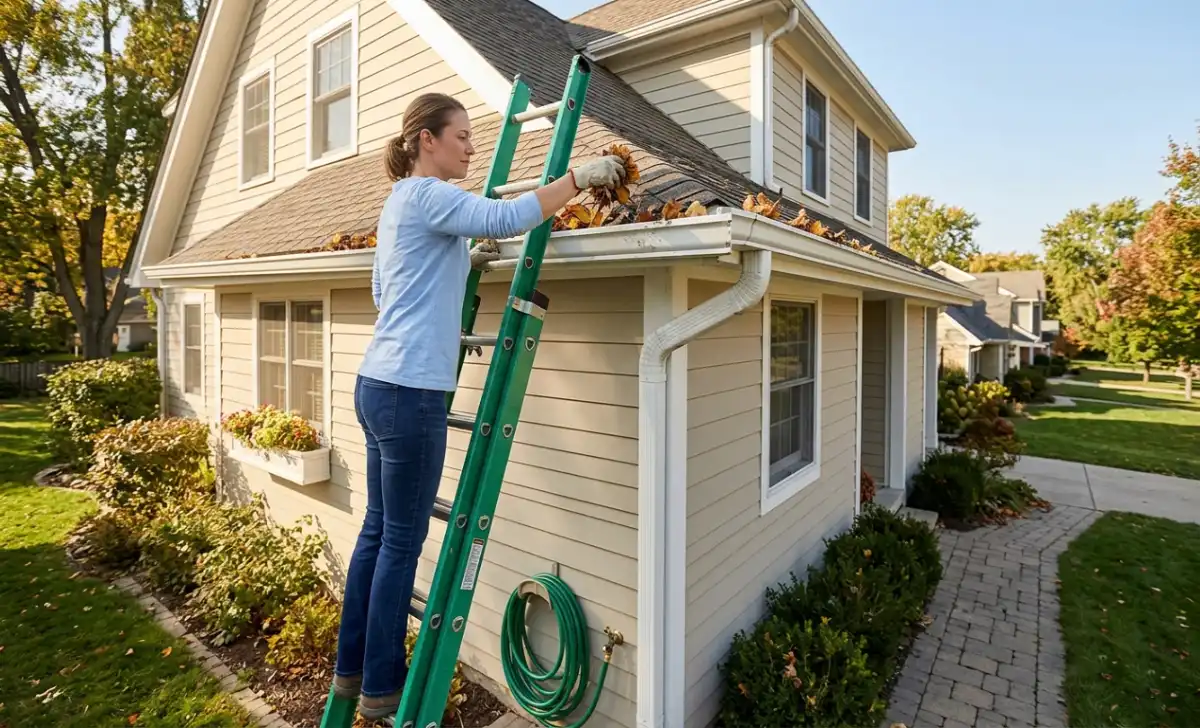
Before you spend a single dollar, take 30 minutes to do a proper inspection. Grab a ladder, a flashlight, and a garden hose. Look for rust spots, cracks, holes, separated joints, and areas where the gutter has pulled away from the fascia board.
Run the hose from one end of a gutter run and watch how the water moves. Does it flow smoothly toward the downspout, or does it pool in sections? Pooling means the pitch is off. Does water drip from joints or appear along the underside of the gutter? That’s a seal problem.
Write everything down. You want a clear picture of what needs a simple fix versus what needs a full replacement. Many homeowners skip this step and either underfix (missing hidden damage) or overspend on replacement when repairs would have done the job perfectly.
What to look for:
- Rust stains or orange streaks on siding
- Paint peeling near the roofline
- Mould or mildew on exterior walls
- Soil erosion near the foundation
2. Clean Them Out Before You Do Anything Else
This one sounds obvious, but it matters more than most people realise. You genuinely cannot assess gutter damage — or fix drainage problems — until the gutters are clean.
Packed leaves, shingle grit, and debris add real weight to a gutter system. That extra load pulls hangers loose and causes sagging. It also holds moisture against the metal, which speeds up corrosion significantly.
Use a gutter scoop or gloved hands to remove the bulk of the debris. Then flush with a garden hose from the far end toward the downspout. If the downspout is blocked, try a plumber’s snake or a high-pressure nozzle attachment.
Aim to clean gutters at least twice a year — once in late spring after tree seeds fall, and once in late autumn after the leaves are down. If you have pine trees nearby, add a third cleaning in midsummer.
3. Fix Sagging Gutters with New Hangers
Sagging is one of the most common gutter problems, and it’s also one of the easiest to fix. Gutters sag when the hangers (the brackets holding them to the fascia) fail — either by pulling out of rotted wood or simply bending under years of weight.
The modern solution is a spike-and-ferrule replacement called a hidden hanger or fascia hanger. These snap inside the gutter and screw directly into the fascia with a hex-head screw, providing a much stronger hold than the old spike system.
Space hangers every 24 inches for standard climates. If you live somewhere with heavy snow loads or frequent ice, go every 18 inches. This small upgrade can add years to the life of your existing gutters without needing a full replacement.
4. Seal Leaky Joints and End Caps
Sectional gutters (the kind sold in 10-foot lengths at hardware stores) are joined together with slip connectors and sealed with caulk. Over time, that sealant cracks and separates — especially when gutters expand and contract through seasonal temperature changes.
To reseal a leaky joint:
- Dry the area completely (wait for a dry day or use a heat gun)
- Scrape out the old sealant with a putty knife
- Apply a bead of gutter sealant (not regular silicone) to the inside of the joint
- Smooth it with a gloved finger and allow it to cure per the manufacturer’s instructions
For end caps, the same process applies. A quality gutter sealant is flexible, water-resistant, and specifically formulated to bond to metal, vinyl, and aluminium — so don’t substitute it with a generic product.
5. Patch or Replace Damaged Sections
Small holes — the kind caused by rust pinholes or screws backing out — can be patched quickly with gutter repair tape or a metal patch kit. Clean and dry the area, apply the patch, and seal the edges with gutter sealant.
Larger holes (anything bigger than a quarter) usually mean it’s time to replace that section rather than patch it. A patch that large will likely fail within a season or two, especially on aluminium gutters, which tend to crack further once corrosion starts.
When replacing a single section, try to match the gutter profile exactly. Bring a small piece of the old gutter to the hardware store so you can compare the shape — K-style and half-round gutters look similar at a glance, but won’t connect properly to mismatched sections.
6. Correct the Pitch for Proper Drainage
Gutters need a slight slope toward the downspout to drain correctly. The general rule is a quarter-inch of drop for every 10 feet of gutter run. That’s subtle — barely visible to the eye — but it makes a significant difference in how well water drains.
If you have standing water after rain, the pitch is likely off. This can happen when hangers loosen over time, and the gutter settles unevenly.
To re-pitch a section:
- Mark the correct slope using a chalk line and a level
- Adjust the hanger positions or add shims behind the hangers
- Confirm the slope with a level before calling it done
If your gutter runs more than 40 feet, consider pitching from the centre toward two downspouts on each end. This prevents the far end from sitting too low relative to the roofline.
7. Upgrade to Seamless Gutters
If your sectional gutters are consistently leaking at the joints despite repeated sealing, it might be time to upgrade to seamless gutters. These are fabricated on-site from a continuous roll of aluminium, cut to the exact length of each run. The result? No joints along the straight sections — only at the corners and downspout outlets, which are the only truly necessary seam points.
Seamless gutters cost more upfront (typically installed by a contractor with a portable roll-forming machine), but they dramatically reduce the number of potential leak points. They also look cleaner and tend to hold up longer.
For most homes, the investment pays off within three to five years when you factor in the reduced need for repairs and resealing.
8. Choose the Right Gutter Material
Not all gutters are created equal. When you update your gutters, material selection matters for longevity, maintenance, and appearance.
| Material | Lifespan | Cost | Notes |
|---|---|---|---|
| Aluminum | 20–30 years | Moderate | Lightweight, rust-proof, most common |
| Galvanized Steel | 20–25 years | Moderate | Stronger than aluminium, it can rust |
| Copper | 50+ years | High | Beautiful, zero-maintenance, premium |
| Vinyl | 10–20 years | Low | Easy DIY, cracks in cold climates |
| Zinc | 50+ years | High | Self-healing patina, very durable |
For most homeowners, aluminium hits the sweet spot. It doesn’t rust, handles most climates well, and comes in dozens of colours to match your trim. Vinyl is a solid budget option in mild climates but tends to become brittle in regions with hard freezes.
9. Install Gutter Guards
Gutter guards won’t eliminate cleaning entirely, but they cut the frequency dramatically. They’re especially worthwhile if you have tall trees over your roof or simply don’t enjoy ladder work.
Types of gutter guards:
- Micro-mesh screens — The gold standard. Fine mesh blocks debris while allowing water to pass through cleanly. Works well in most conditions.
- Reverse-curve guards — Water clings to a curved surface and drops into the gutter; debris falls off. Can struggle with heavy rain.
- Foam inserts — Porous foam sits inside the gutter. Inexpensive, but it can grow algae and clog with fine debris.
- Brush inserts — Similar to foam, but made of bristles. Same limitations apply.
Micro-mesh is the most reliable option for most homes, though it costs more than the alternatives. Avoid cheap snap-in plastic screens — they tend to hold debris rather than shed it.
10. Improve Your Downspout Setup
A gutter system is only as good as its downspouts. If water exits the downspout less than six feet from your foundation, you’re still at risk of water intrusion, basement moisture, and erosion problems.
Practical downspout improvements:
- Add downspout extensions to redirect water at least 6–10 feet from the foundation
- Use splash blocks at the base to prevent soil erosion
- Install underground drainage pipes if surface extensions aren’t practical
- Add a rain barrel to capture runoff for garden use
- Check that your yard slopes away from the house — even a perfect downspout won’t help if water flows back toward the foundation.
Also, check that you have enough downspouts for your roof area. The standard is one downspout per 600–800 square feet of roof. Larger homes, or homes with complex rooflines, often need more.
Expert Tips
- Always work on dry days. Wet gutters are slippery, and the sealants won’t bond properly to damp surfaces.
- Use a stabiliser for your ladder. A ladder standoff keeps the ladder away from the gutter itself, preventing dents and giving you better balance.
- Photograph everything before you start. Before you remove a section or open a joint, take a photo. It’s easy to forget how something was assembled when you’re halfway through a repair.
- Check the fascia board before rehanging gutters. If the wood is soft or rotted, fix it first. New gutters on a rotted fascia won’t last.
- Don’t use a pressure washer on gutters. The force can separate joints, dent aluminium, and push water up under the roof shingles.
Common Mistakes to Avoid
1. Ignoring small leaks. A drip from a joint might seem minor, but over time, it damages the fascia, soffit, and siding behind it. Fix small problems before they grow.
2. Buying the wrong size. Most homes use 5-inch K-style gutters. Larger homes, or homes with steep roofs that shed water fast, may need 6-inch gutters. Undersized gutters overflow in heavy rain regardless of how clean they are.
3. Skipping the downspout check. People spend time on the gutters and forget the downspouts. A blocked downspout makes everything else pointless.
4. Over-pitching the gutter. More slope doesn’t mean better drainage. Too steep a pitch makes the gutter visible from the ground and can cause water to overshoot the downspout outlet.
5. Using the wrong sealant. Regular silicone caulk doesn’t bond well to aluminium and won’t flex with temperature changes. Always use a product specifically labelled for gutters.
Conclusion
Knowing when and how to update your gutters can save you from expensive water damage repairs down the road. The good news is that most gutter problems — sagging, leaking joints, poor drainage — have clear, practical solutions that don’t require a full replacement.
Start with a thorough inspection, clean everything out, and then work through the issues systematically. Whether you end up resealing a few joints or replacing the whole system with seamless aluminium and micro-mesh guards, the effort pays off in a home that handles rain the way it should.
Pick one section of your gutters this weekend. Inspect it, clean it, and see what it actually needs. That first step usually makes the whole project feel a lot less overwhelming — and a lot more manageable.
FAQs
How often should you update your gutters?
Most aluminium gutters last 20–30 years with regular maintenance. If yours are more than 20 years old and consistently causing problems, a full replacement is worth considering. Otherwise, targeted repairs can extend their life significantly.
Q2: Can I update my gutters myself, or do I need a contractor?
Many gutter updates — cleaning, resealing joints, replacing hangers, patching small holes — are solid DIY projects if you’re comfortable on a ladder. Seamless gutter installation and large-scale replacements typically require a contractor with specialised equipment.
What size gutters do I need for my house?
Most residential homes use 5-inch K-style gutters. Homes with larger roof areas or steep pitches may benefit from 6-inch gutters. Measure your roof’s drainage area and check a sizing chart — your local gutter supplier can help confirm the right size.
How much does it cost to update gutters on an average home?
Simple repairs (resealing, new hangers, patching) can cost $100–$300 in materials if you DIY. Full seamless aluminium gutter replacement runs roughly $4–$8 per linear foot installed, which puts a typical home in the $1,000–$2,500 range depending on size and complexity.
Do gutter guards really work?
Quality micro-mesh gutter guards genuinely reduce debris buildup and cut cleaning frequency. They’re not maintenance-free — you’ll still want an annual inspection — but they’re a worthwhile investment for most homes, especially those under heavy tree cover.